
Compares mobile and fixed underfloor wheel lathes by fleet and site rather than specification; covers the single mechanical difference, building constraints, profile accuracy, five mobile-fit conditions, when fixed still wins, a supplier question list and 10 FAQ.
An underfloor wheel lathe cuts a worn wheel tread back to its profile while the wheelset stays under the vehicle. Both the mobile and the fixed version do that job, and both can hold the same tolerance when they are set up properly. Buyers comparing them usually start with the specification sheet and end up more confused, because the numbers describe what the machine can do, not which machine fits their depot.
This guide is about the choice between mobile and fixed underfloor wheel lathes. It does not repeat the parameter table for a particular model — that sits on the CY8013D underfloor wheel lathe page. What follows is the judgement that comes first: how the fleet is used, what the building allows, and how much setup a team is willing to accept for each wheel change.
For buyers searching underfloor wheel lathe manufacturers, the useful question is rarely which design is better in the abstract. It is which one removes the constraint that is currently costing the most time — the building, the transport, or the wheel itself.
A fixed underfloor wheel lathe is installed in a pit or on a raised platform in a maintenance shed. The vehicle is brought to the machine, positioned over it, and the cutting heads rise into the wheel from below. The machine never moves.The UWL 110/130AE all-electric underfloor wheel lathe is the fixed machine described here.
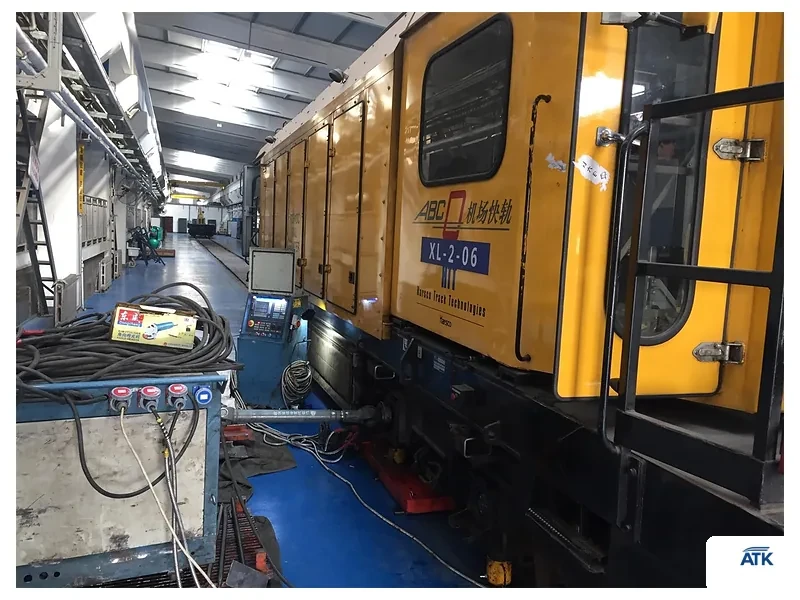
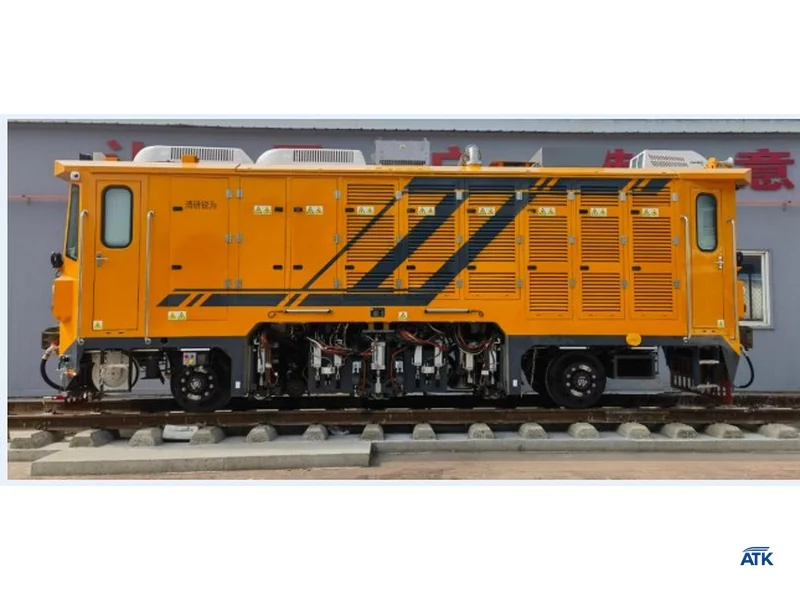
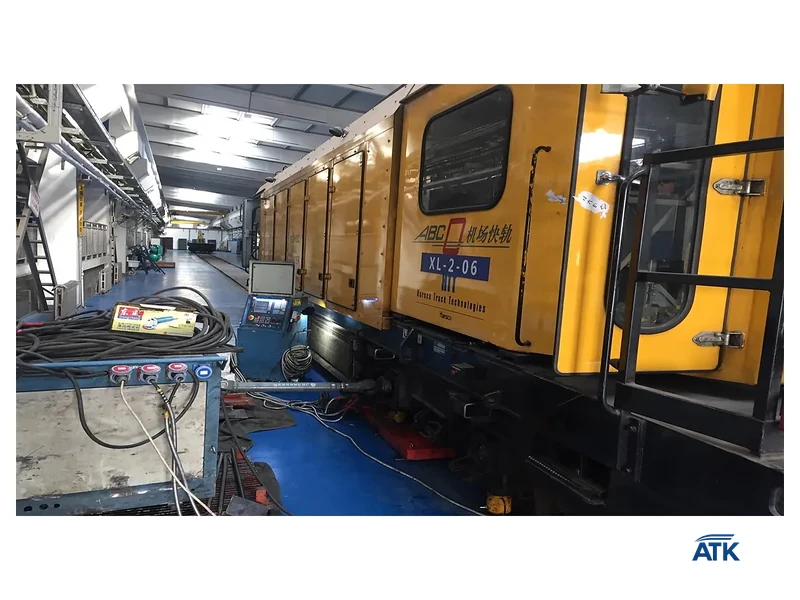
A mobile underfloor wheel lathe brings the cutting unit to the vehicle. The machine travels on its own wheels or on a trolley, is positioned under the wheelset, and jacks itself into place. There is no permanent pit and no dedicated bay. The same unit can work in a shed that has no trench, or on ordinary track with a temporary work platform.
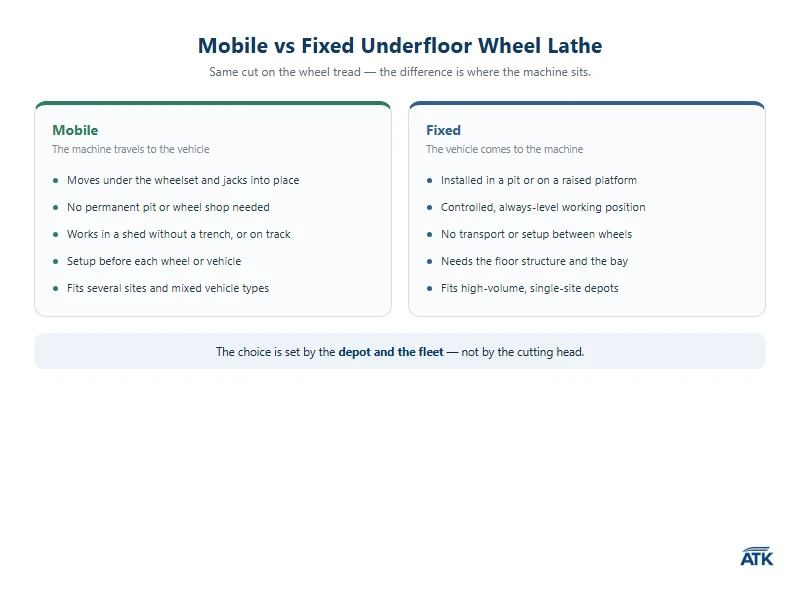
Everything else follows from that difference. A fixed machine buys accuracy and repeatability by owning a controlled location. A mobile machine buys flexibility by giving up that location. Neither is a smaller version of the other.
Start with the vehicles, not the machine. A depot working a large, stable fleet of heavy locomotives on a fixed schedule keeps the same vehicles coming back to the same bay. The vehicle comes to the tool, the tool is always calibrated, and a queue of work is waiting. A fixed lathe earns its floor there.
A fleet that is spread across depots, or one that includes light rail vehicles, construction locomotives and occasional visiting stock, behaves differently. These vehicles are rarely in the same place twice, and many depots have no pit at all. Bringing each one back to a central facility costs more than the wheel work itself. A machine that can be moved to the vehicle removes that cost.
Axle load is part of the same question. A mobile unit built for a wide axle-load range can serve both a heavy locomotive and a light rail vehicle with the same tooling. Where the fleet mixes light and heavy stock, that range matters more than headline precision. Confirm the supported range with the supplier rather than assuming one machine covers every vehicle in the yard.
Walk the site before comparing machines. The fixed option needs a pit, the floor structure to carry it, and the clearance for a vehicle to be positioned over it. Where a pit already exists, much of that cost is sunk and the fixed machine starts ahead. Where it does not, the civil work can outweigh the price of the lathe.
A mobile unit needs floor strength and access, not a pit. It can operate in a shed without an overhaul trench, and with a temporary platform it can work on ordinary track. That is what makes it useful for a depot with no dedicated wheel shop, or for a site that supports several vehicle types in different locations.
The trade-off is setup time. A mobile lathe has to be moved, positioned, jacked and levelled before the first cut, then released afterwards. On one wheelset that time is minor. Across many wheelsets in a day it becomes a real cost, and a fixed machine with the vehicle already in position will win on throughput.
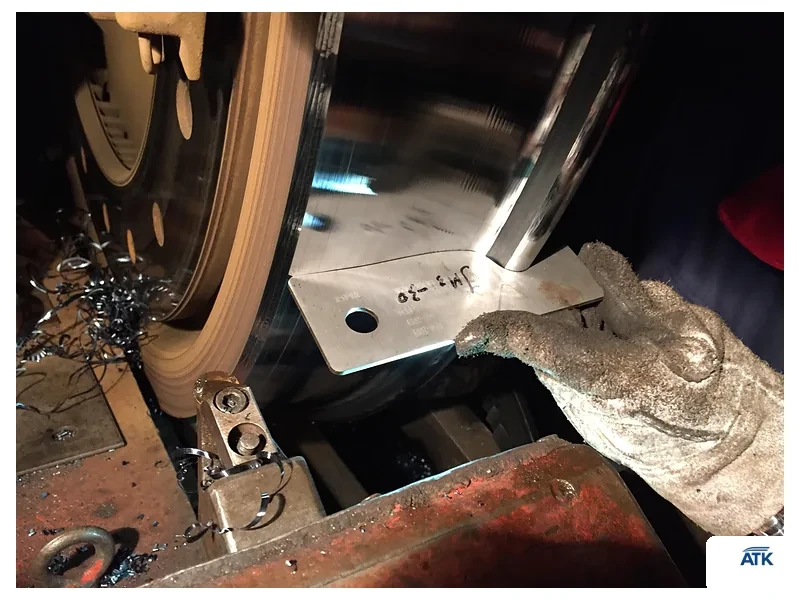
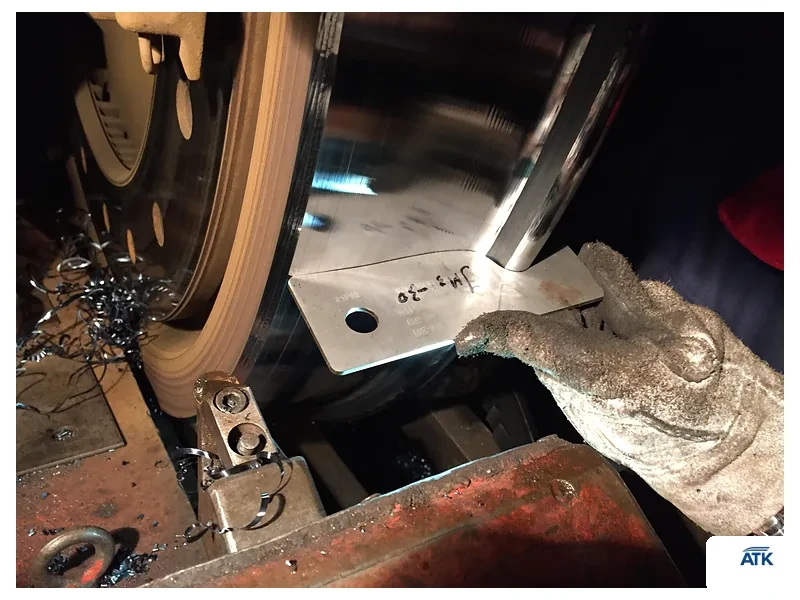
Both designs cut the tread rather than grinding it away. The cutting heads follow a programmed profile, and the wheel turns slowly while the tool removes metal until the design curve is restored. Because it is a cutting process, it takes a measurable layer in one visit rather than building up a finish over many passes.
Profile choice is a separate question from mobile or fixed. A machine that can store more than one wheel profile can serve a mixed fleet — standard freight and passenger curves, plus a profile programmed for a particular vehicle. Confirm that the control system accepts the profiles the fleet actually uses, and that the supplier can program a new one when the fleet changes.
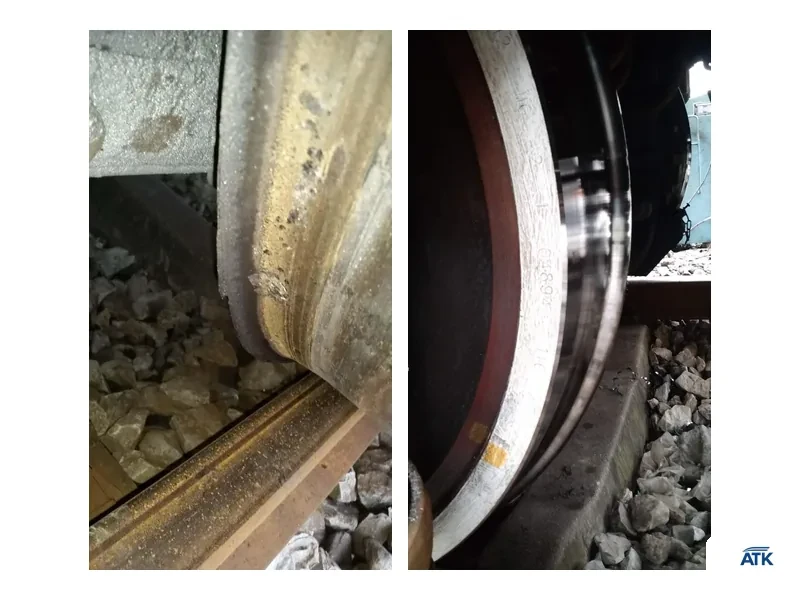
Accuracy figures in a brochure describe what the machine can hold under its own conditions. What matters in a depot is whether the finished tread meets the wheel standard that applies to the vehicle, and whether the result is repeatable after the machine has been moved or re-set. Ask how accuracy is verified after setup, not only in the factory.
A mobile underfloor wheel lathe fits when one or more of these conditions hold:
· The depot has no wheel lathe pit and no budget to build one.
· Vehicles are maintained at several sites, and no single site has enough work for a fixed machine.
· The fleet mixes heavy and light vehicles with different axle loads.
Wheel work is occasional rather than continuous, so a fixed installation would stand idle.
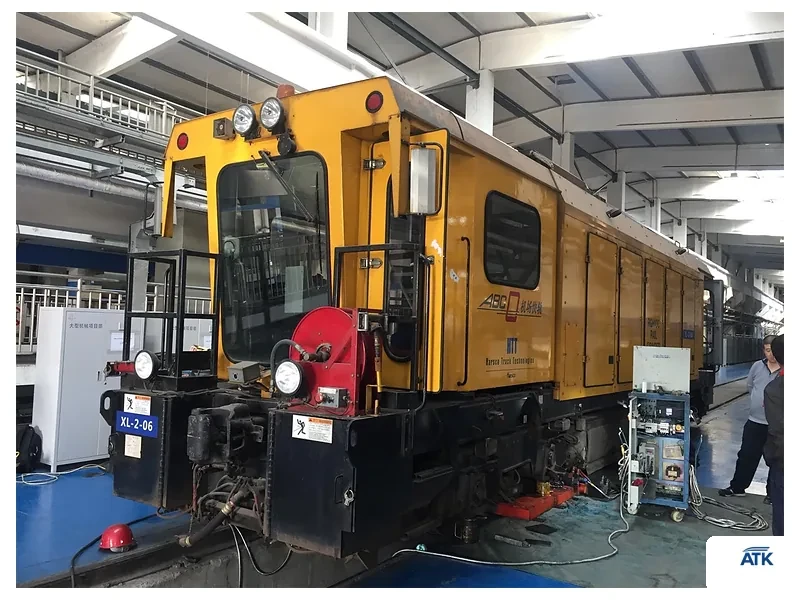
· A damaged wheel needs attention away from the home depot, and moving the vehicle to a central workshop is disproportionate.
The last point is easy to overlook. A wheel that is out of profile wears the rail faster and can force a vehicle out of service. The value of a mobile unit is often that it shortens the time between finding the defect and correcting it, not that it replaces a workshop machine.
A fixed installation is the better choice when the volume is high and the location is permanent. A workshop that processes wheelsets every day benefits from a machine that is always in the same place, always level and always ready. There is no transport to the vehicle, no jacking and no repeated setup.
It also suits a fleet with a narrow range of vehicle types, where one profile and one axle-load setting cover most of the work. Where the building already has a pit and a gantry, the fixed machine slots into an existing workflow instead of creating a new one.
The cost is inflexibility. A fixed lathe serves the vehicles that can reach it. If the fleet grows toward lighter or heavier stock than the machine was specified for, or if maintenance shifts to another site, the installation cannot follow.
The specification sheet will tell you the wheel diameter range, maximum cut depth and motor power. It will not tell you whether the machine fits the depot. Ask these instead:
1. What is the smallest and largest wheel diameter the machine accepts, and does the fleet sit inside that range?
2. What axle-load range is covered, and can the same setup handle both the heaviest and the lightest vehicle?
3. Which wheel profiles are stored in the control system, and who programs a new one?
4. Does the machine need a pit, a raised platform, or only a level floor with adequate bearing strength?
5. How long does a mobile unit take to position, jack and level before the first cut?
6. What is the workflow when a wheel cannot be reached from below without moving the vehicle?
7. How is accuracy confirmed after a mobile unit has been relocated?
8. What does the supplier install, and what does the buyer have to provide on site?
A supplier who answers these with numbers from the manual is giving a specification. A supplier who answers them with questions about the fleet and the building is starting the selection.
The mobile-versus-fixed choice is not a ranking of machines. It is a match between a tool and a pattern of work. A high-volume depot with a pit and a stable fleet should use the fixed machine and stop paying for flexibility it never uses. A depot with no pit, several sites and a mixed fleet should use the mobile machine and accept a little setup time in exchange for reaching every vehicle.
The mistake to avoid is buying on specification alone. A machine that cuts faster or carries a larger motor is not the right machine if the vehicle cannot be brought to it, or if the workshop floor cannot carry it. Decide the location and the fleet first. The specification follows.
A well-set mobile unit can work to the same order of accuracy as a fixed machine. What changes is the dependence on setup — levelling and positioning have to be right before the cut. Ask how accuracy is checked after relocation.
No. It works from the floor or a temporary platform and jacks into position under the wheel. That is the main reason depots without a wheel shop choose it.
Setup covers moving the machine, positioning it under the wheel, and jacking and levelling it. The exact time depends on the site and the crew. Ask the supplier for a figure based on your own layout.
Only if its axle-load and wheel-diameter range covers both. Some mobile units are specified for a wide range; confirm the actual limits before assuming one tool covers the whole fleet.
In a workshop with the vehicle already in position, usually yes — there is no transport or setup for each wheel. Where vehicles are spread across sites, the travel time saved by a mobile unit can outweigh that.
No. An underfloor lathe cuts the tread while the wheelset stays on the vehicle. That is the defining feature of the machine type, mobile or fixed.For workshop machines that take the wheelset out of the vehicle instead, see dual-drive wheelset lathes. When the carbody itself must be raised, the companion option is a four-point mobile train lift.
Yes, if the control system stores multiple profiles and the supplier can program a new one. Confirm the profiles your fleet uses before ordering.
A level surface with enough bearing strength for the machine and the vehicle load. No pit and no permanent foundation are required, but the floor still has to be assessed.
Both, but the building usually decides first. If there is no pit and no wheel shop, a fixed lathe needs civil work before it can cut anything. The fleet then decides the range the machine must cover.
Wheel reprofiling is one of three jobs in a depot, alongside rail welding and rail milling or grinding. The track maintenance equipment guide sets out how the three divide the work; wheel wear is the one job done to the vehicle rather than the track.
We have recommended some of our Related products to you. I hope you will be interested.
 English
 Русский