
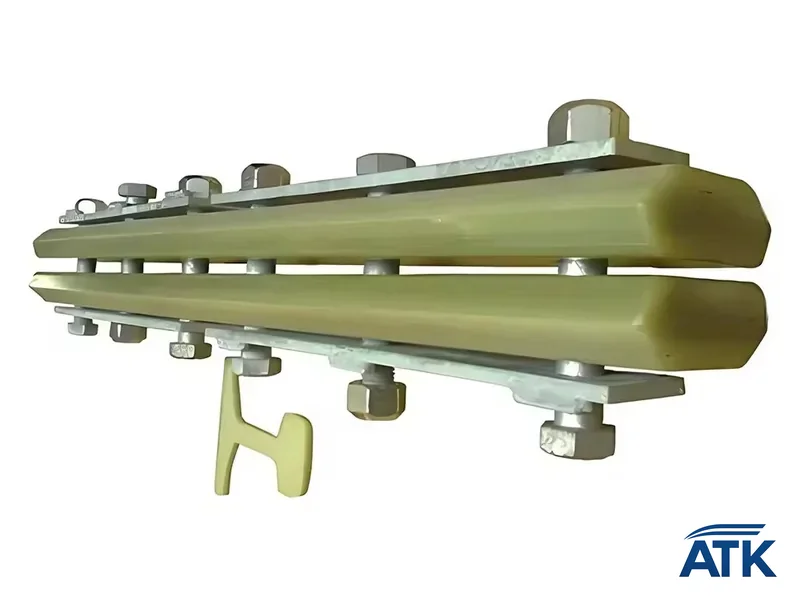
One-piece composite design - no slot liners, insulating bushes or washers
Integral insulation eliminates false occupied indications (red band)
Shear strength over 1200 kN with 1100-1300 N.m bolt torque for frozen-joint restraint
Two-component polyurethane resin matrix reinforced with glass fibre
Simple structure, quick to fit and remove, no dismantling for routine inspection
Suited to tight-radius curves, severe cold, high humidity, heavy-haul lines and classification yards
Developed and trial-produced to GB/T 2585, UIC, AREMA and GOST rail sections
An insulated rail joint (IRJ) does two jobs at once: it holds two rail ends in line under axle load and breaks the electrical path so the signalling system can tell which section is occupied. Buyers also call it an insulated joint bar or an insulated fishplate, depending on the market. In a composite integral design the bar itself is the insulation. There are no slot liners, insulating bushes or washers to fit, and only the end post between the rail ends is a separate insulating part. Fewer loose parts also mean fewer assembly mistakes during a night possession.
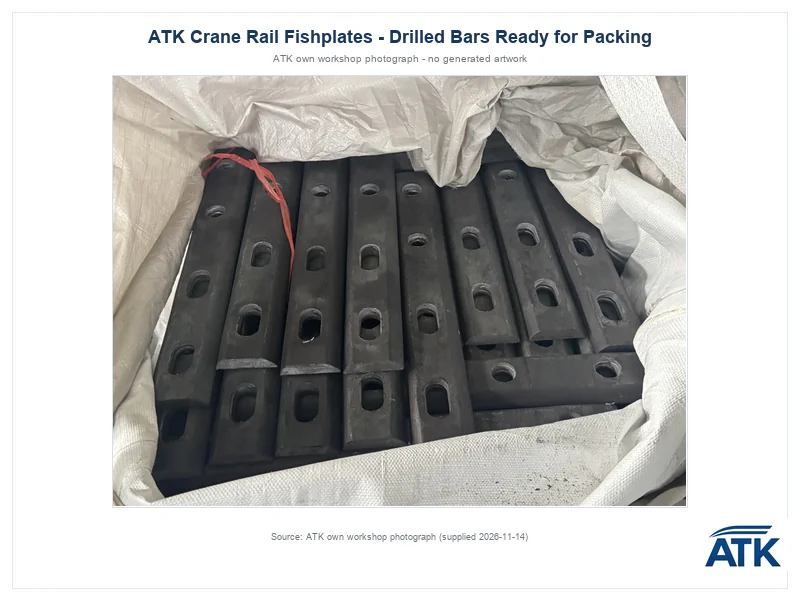
ATK supplies composite integral insulated rail joints for mainline, metro, heavy-haul and crane runway track. The bars are produced to the drilling on your drawing rather than cut from a generic blank - 50 kg/m and 60 kg/m Chinese rail, UIC54 / UIC60, 115RE, QU70 to QU120 crane rail - and the bolt set is matched to that drilling. Send the rail profile, the hole pattern and the track circuit voltage class, and we will confirm the fit before quoting.
A plain joint bar is a mechanical part. Add insulation and it becomes a signalling part as well, which is why a failed insulated rail joint can stop trains twice over - once for the track defect and once because the interlocking loses its occupancy indication. For the same part without insulation, see plain railway fishplates.
The usual symptom is a false occupied indication, the "red band" that appears on the signalling display when an insulation path breaks down. Water under the end-post, a steel washer in the wrong place, brake dust and metal filings collecting around the joint: any of these can pull the resistance down. A 500 V insulation tester reading taken after rain tells you more than the dry figure in a catalogue. One-piece construction removes most of those loose interfaces before the joint ever goes into track.
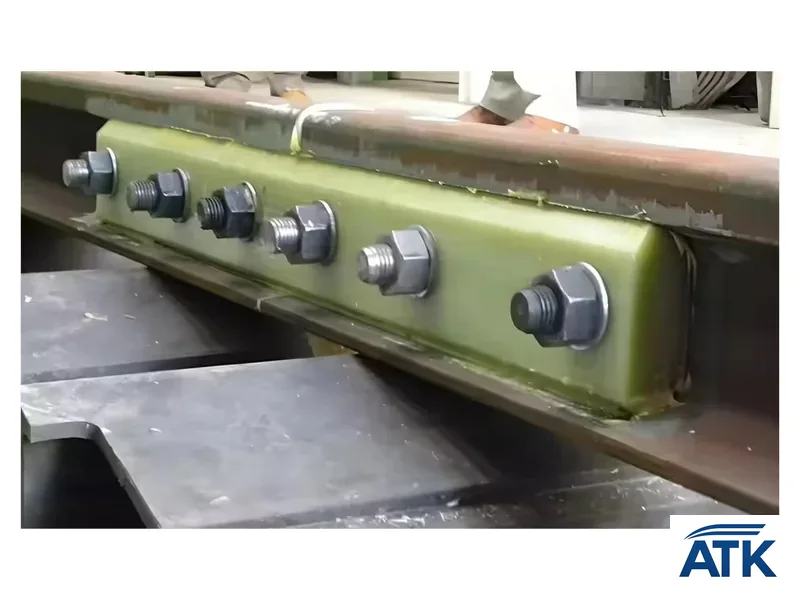
The bar in these photographs is solid composite, not a steel plate with a coating. It is made from a two-component polyurethane resin matrix reinforced with glass fibre, formed in a multi-stage process that gives the section its mechanical strength and its insulating properties together. There is no metal core, nothing to chip, and nothing conductive that salt or ballast dust can get at.
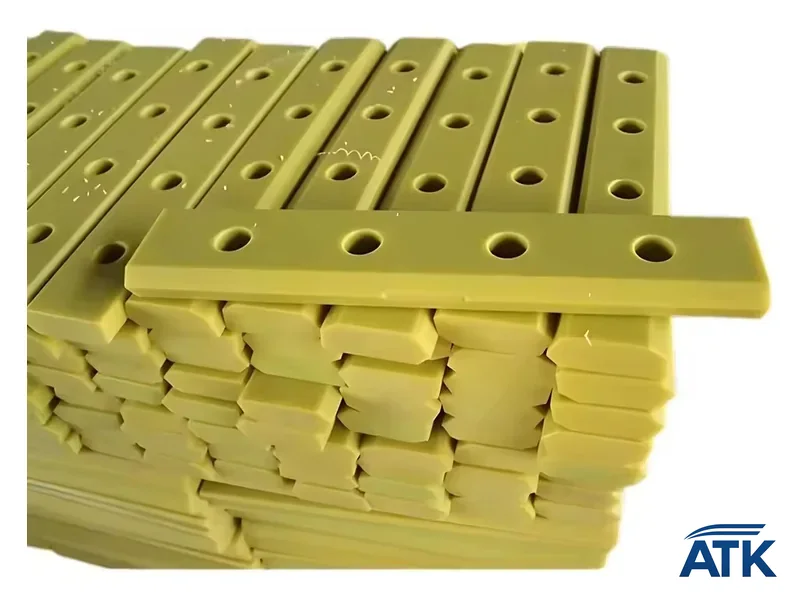
That one detail changes the parts list. A conventional bolted insulated joint needs slot insulation, insulating bushes around every bolt shank, and insulating washers under every head and nut. This assembly has none of them. The bar is the insulation; the only separate insulating piece is the end-post between the rail ends. Fewer small parts means fewer things fitted wrong at two in the morning during a possession, which is the whole reason the design is called integral.
A glued insulated rail joint is a different product. It bonds steel bars to the rail web with structural epoxy and uses bushes and washers to break the bolt path; it is stiff and is often chosen for new high-speed continuous welded rail. The composite integral joint described here is bolted and its bar carries the insulation. The two are not interchangeable on one drawing.
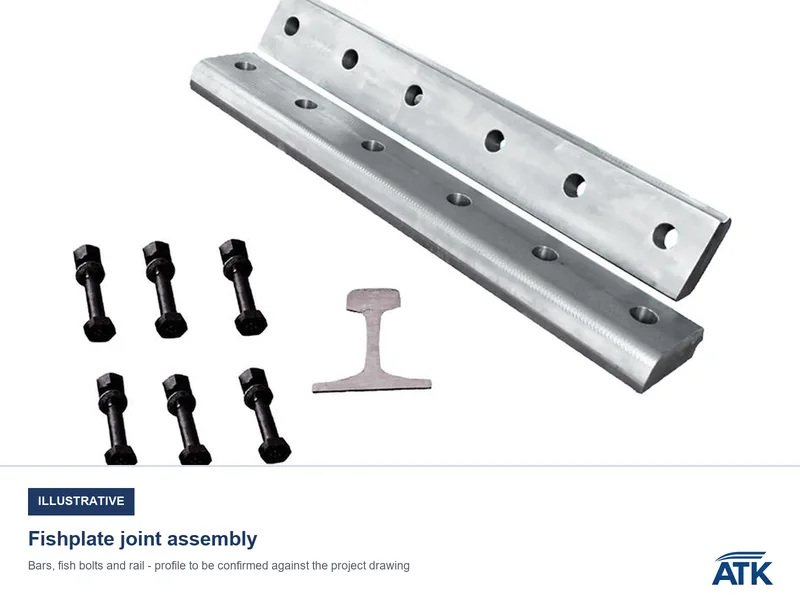
The parts list is short, and that is the point.
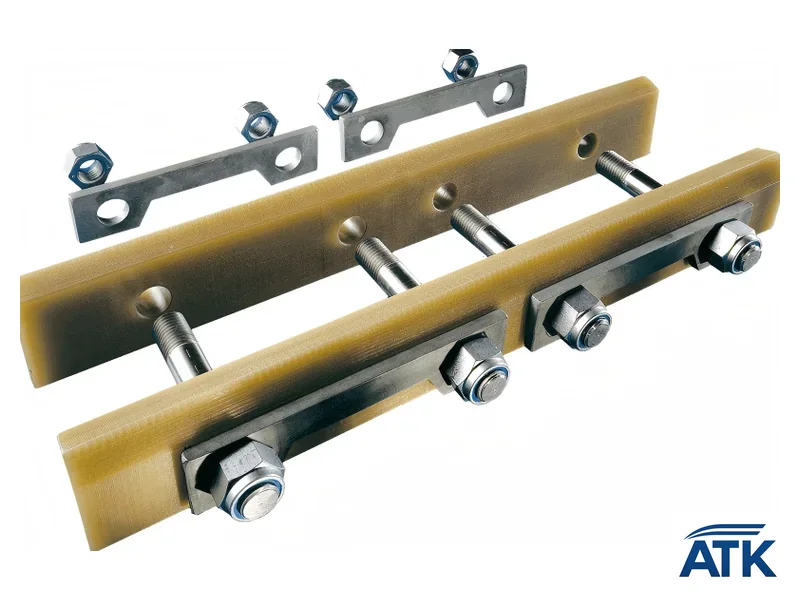
Part | Function |
Composite integral insulated joint bars, left and right | Carries the bending load and provides the insulation itself |
Bolt plate | Spreads the clamping load across the bar face |
High-strength bolts | Clamp the assembly to the specified torque |
Anti-loosening nuts | Hold torque under vibration and thermal cycling |
Rail-end insulation (end-post) | Separates the two rail ends electrically |
No slot insulation, no insulating bushes, no insulating washers.
The figures below are the product data for this composite integral insulated rail joint. Final dimensions, bolt grade and drilling are confirmed against your drawing and the applicable standard before production.
Item | Value / option |
Bar material | Two-component polyurethane resin matrix, glass fibre reinforced |
Construction | One-piece composite bar; the bar is the insulation, with an end post at the rail gap |
Shear strength | Over 1200 kN |
Bolt tightening torque | 1100-1300 N·m |
Joint restraint | Reaches frozen-joint level longitudinal resistance |
Insulation performance | Integral insulation; eliminates false occupied indications caused by loose insulating parts |
Rail section | 50/60/75 kg/m, UIC54/UIC60, 115RE/132RE, QU70 to QU120 crane rail; drilled to the approved drawing |
Bolt set | High-strength bolts, anti-loosening nuts, bolt plates; diameter follows the rail section |
Maintenance | No dismantling required for routine inspection |
Two numbers come up most often in an enquiry: shear strength above 1200 kN and tightening torque of 1100-1300 N·m. Together they bring the joint up to frozen-joint restraint, so the rail ends stay put under longitudinal load instead of creeping. These are the product data for this bar; dimensions, bolt grade and drilling are confirmed against the approved drawing. Where the line's circuit design or the applicable standard sets another insulation limit, that limit takes precedence.
Tight-radius curves, where the joint sees high lateral load. Severe cold, where small insulating parts and bonded adhesives turn brittle. Hot, humid coastal or tropical sites. Heavy-haul lines with high axle loads. Classification yards and station throats, where track circuits have to be split repeatedly across a dense layout. And, regularly, a maintenance crew replacing a joint whose megger reading has dropped below the line limit.
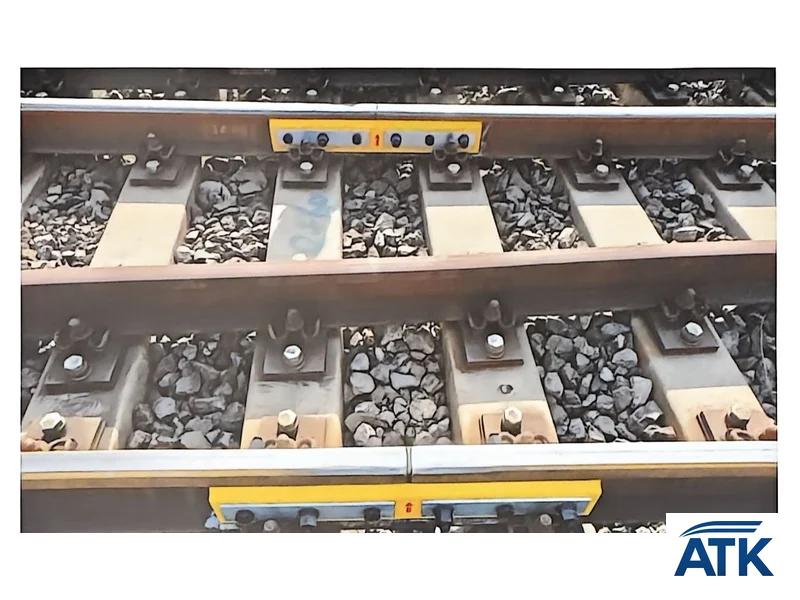
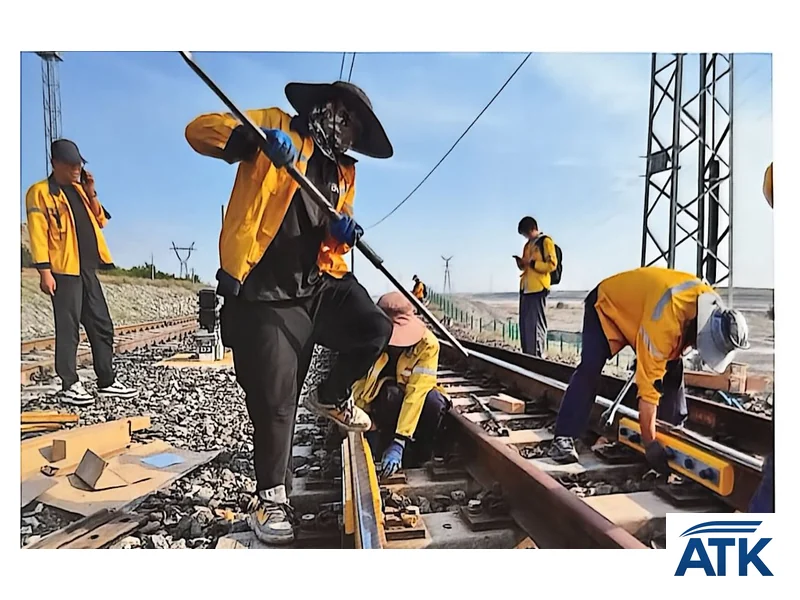
Torque is the number that matters. The 1100-1300 N·m figure is not a suggestion; below it the joint will not reach its rated shear resistance. Rail ends and bolt holes are deburred, the web and bar seating faces cleaned back to sound material, and the end-post set between the rail ends before the bars go on. Tighten in sequence, then recheck after the first traffic has passed.
Routine inspection does not require dismantling the joint - that is one of the reasons depots specify this construction. Check the insulation resistance with a 500 V tester at commissioning and at the line's maintenance interval, alongside bolt torque, end-post condition, rail-end batter and gap growth. Renew the assembly when the reading falls below the line requirement or the bar is damaged. There is no reliable patch for a joint that has gone conductive.
Rail section first. 60 kg/m to GB/T 2585, UIC60, 115RE or QU80 - the profile sets the bar shape and the drilling.
Joint type. One-piece composite integral insulated rail joint, or a bonded steel assembly if the drawing calls for one.
Bar length and holes. Four-hole bars are about 610 mm (24 in) and six-hole bars about 915 mm (36 in), with round or oval holes; both follow the rail section and the drilling on the drawing. A compromise insulated joint bar is machined to one profile on each side when the two rails differ. A switch heel bar is formed rather than simply drilled to two profiles, and is a separate component. - see the heel fishplate page.
Electrical requirement. Minimum insulation resistance dry and wet, plus the track circuit voltage class of the line.
Mechanical requirement. Shear strength and bolt torque for the axle load and longitudinal restraint the line needs.
Bolt set. Grade, diameter, torque, and whether anti-loosening nuts and bolt plates are included.
Climate and quantity. Cold-region lines need low-temperature-grade material; coastal and industrial sites benefit from the corrosion resistance of the composite bar.
A drawing or an old sample is enough to confirm feasibility.
An insulated rail joint, or IRJ, is a bolted rail joint that also breaks the electrical circuit used for track occupancy detection. It may use a composite bar, an insulated steel assembly or an epoxy-bonded glued joint. The right construction depends on the rail section, the circuit design and how the line is maintained.
No. The fishplate is the bar. A glued insulated rail joint is a steel-bar assembly bonded to the rail web with epoxy and fitted with insulating bushes and washers. The composite integral joint is one-piece - the bar itself is the insulation. Both divide track circuits, but they are not interchangeable on a drawing.
It means there are no slot liners, insulating sleeves or insulating washers to fit. The composite bar breaks the electrical path on its own; only the end-post between the rail ends is a separate insulating part. Fewer loose pieces, fewer assembly errors, and nothing small to go missing during a possession.
For this composite integral joint, shear strength is above 1200 kN and tightening torque is 1100-1300 N·m, which brings the joint up to frozen-joint restraint. Your line standard may set different values; use those where they apply.
Yes. That is a compromise insulated joint bar, machined to a different profile on each side, for example UIC54 to UIC60. The insulation works in the same way; only the machining changes. The running surfaces and the hole pattern still come from the drawing for that joint; the compromise fishplate guide covers how that joint is specified and what the drawing has to fix.
50/60/75 kg/m, UIC54/UIC60, 115RE/132RE and QU70 to QU120 crane rails are routine, drilled to GB/T 2585, UIC 864, EN 13674-1 or AREMA patterns. Send the drawing if it falls outside that list.
No. Routine checks are visual plus a 500 V insulation tester reading, together with a bolt torque check. Dismantling is only needed if the bar is damaged or the reading has fallen below the line limit.
Send the rail section, the hole pattern and the insulation resistance your circuit is designed to. We can develop and trial-produce insulated rail joints to standard UIC, AREMA or GOST sections, and confirm the specification before quoting. A datasheet, samples or a project price are available on request. If the order also covers other track materials, list them in the same enquiry so the joint can be quoted against the full drawing. For a mixed order, ask about our crane rail fastenings, steel rails, railway turnout components, track maintenance tools & equipment and fasteners & hardware in the same enquiry.
We have recommended some of our Related products to you. I hope you will be interested.

 English
 Русский